
Argumentree.AI ब्लॉग
मल्टी-मॉडल एआई अनुसंधान, भ्रांति पहचान, सहमति स्कोरिंग, और विश्वसनीय एआई अनुसंधान कार्यप्रवाह बनाने पर अंतर्दृष्टि।
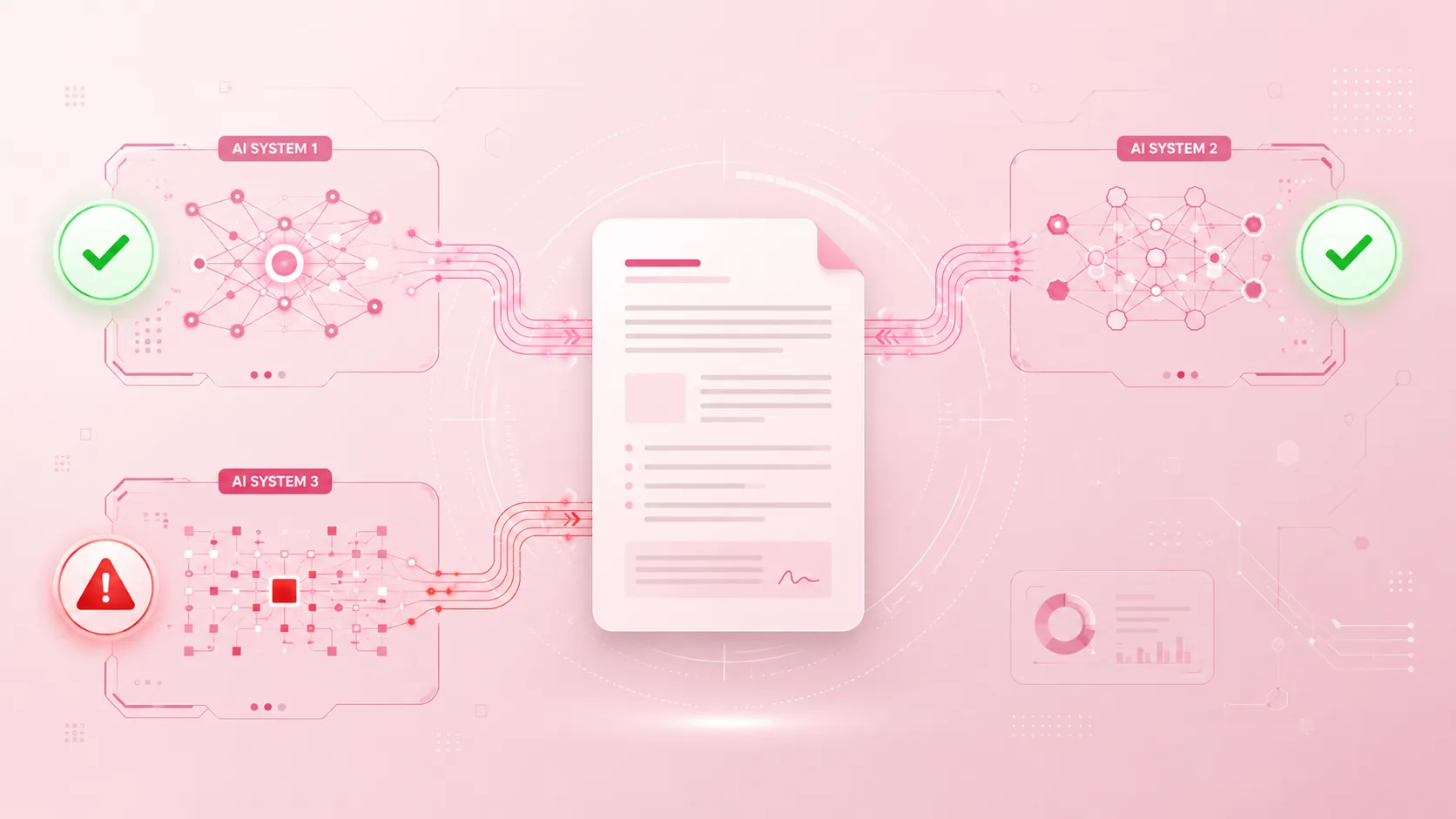
जब "ग्राउंडेड" कानूनी एआई फिर भी भ्रांति पैदा करता है: असली उद्धरणों के भीतर निर्मित उद्धरण
यहां तक कि पुनर्प्राप्ति-आधारित कानूनी एआई उपकरण भी वास्तविक उद्धरणों के भीतर उद्धरणों का आविष्कार कर सकते हैं — ऐसी गलतियाँ जो एक उद्धरण-चेक पास कर जाती हैं और स्पष्ट रूप से नकली मामलों की तुलना में अधिक खतरनाक होती हैं। एकल-मॉडल सत्यापन क्यों विफल होता है, और कैसे क्रॉस-मॉडल असहमति इसे पकड़ती है।
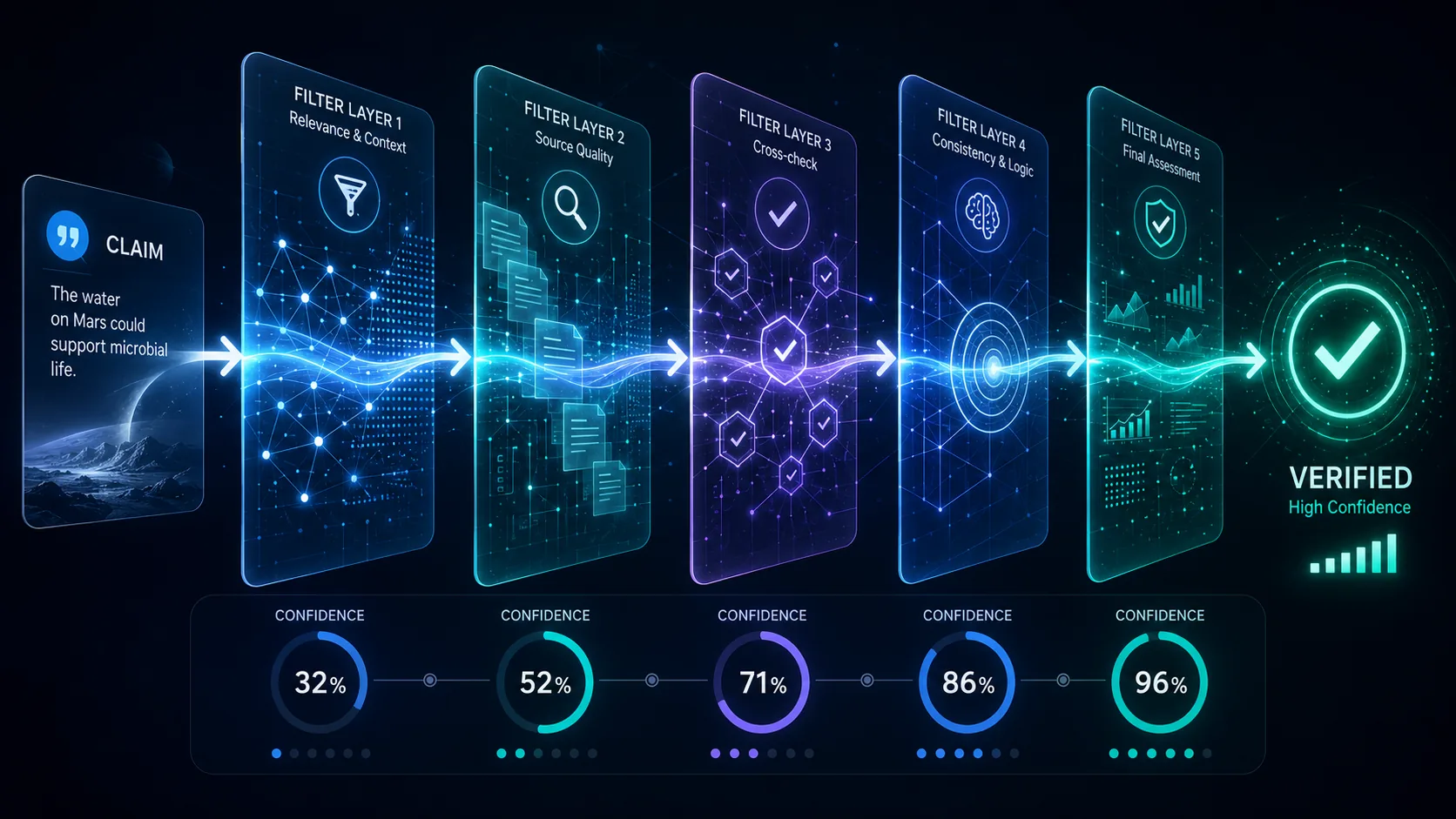
कानूनी एआई भ्रांतियाँ: 2026 में खुद को सुरक्षित रखने के लिए एक गाइड
नकली मामले, गलत कानून, और असली उद्धरणों के भीतर बनाए गए उद्धरण — कानूनी एआई भ्रांतियाँ "ग्राउंडेड" उपकरणों के साथ भी होती हैं। सबूत, जोखिम, और एक सत्यापन कार्यप्रवाह की व्यावहारिक मार्गदर्शिका जो आपकी रक्षा करती है।
एआई हॉलुसिनेशन डिटेक्शन कैसे काम करता है: क्रॉस-मॉडल दृष्टिकोण
एआई मॉडल आत्मविश्वास के साथ गलत जानकारी दे सकते हैं बिना किसी आंतरिक संकेत के कि कुछ गलत है। जानें कि क्रॉस-मॉडल सत्यापन कैसे उन भ्रांतियों को पकड़ता है जिन्हें आत्म-सत्यापन चूक जाता है, और "क्या आप सुनिश्चित हैं?" पूछने से क्यों मदद नहीं मिलती।
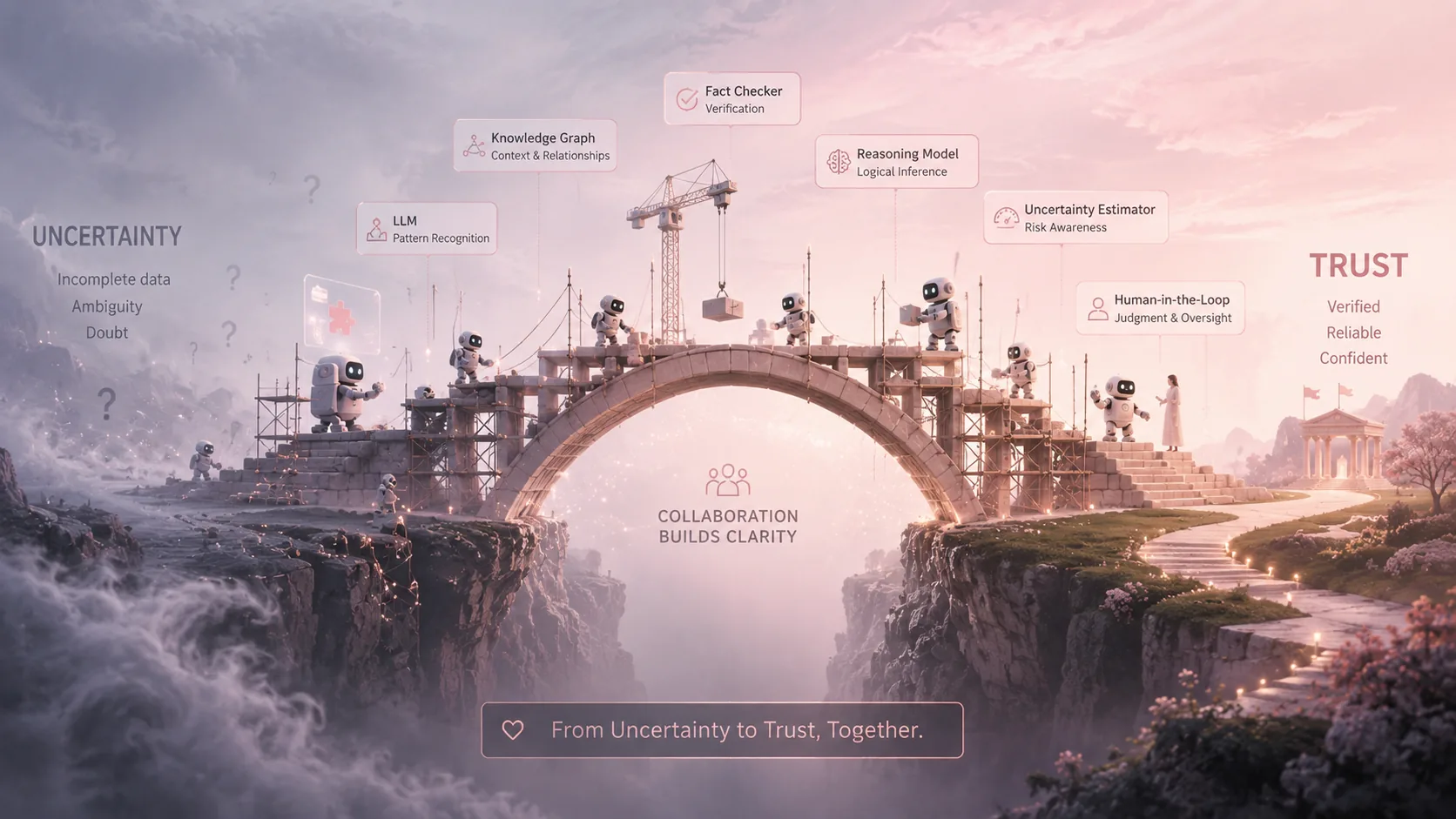
एआई अनुसंधान में विश्वास बनाना: आत्मविश्वास स्कोर से परे
एकल-मॉडल विश्वास स्कोर सटीकता के साथ सहसंबंधित नहीं होते हैं। यह गाइड बहु-मॉडल सहमति, पारदर्शिता और उचित श्रेय का उपयोग करके एआई आउटपुट में विश्वास को कैसे कैलिब्रेट करें, यह समझाता है।

मल्टी-मॉडल बनाम सिंगल-मॉडल एआई अनुसंधान: स्वतंत्रता क्यों महत्वपूर्ण है
एक AI मॉडल का उपयोग अनुसंधान के लिए एक विशेषज्ञ की राय प्राप्त करने के समान है। यह लेख एकल-मॉडल और बहु-मॉडल दृष्टिकोणों की तुलना करता है, यह बताते हुए कि मॉडलों के बीच स्वतंत्रता त्रुटियों को पकड़ने की कुंजी क्यों है।

व्यवहार में एआई सेकंड ओपिनियंस: एआई आउटपुट्स को क्रॉस-चेक करने का कब समय है
जैसे डॉक्टर गंभीर निदानों के लिए दूसरी राय लेते हैं, शोधकर्ताओं को विभिन्न एआई मॉडलों से दूसरी राय लेनी चाहिए। यह गाइड बताता है कि कब क्रॉस-चेक करना अनिवार्य है और कब यह वैकल्पिक है।
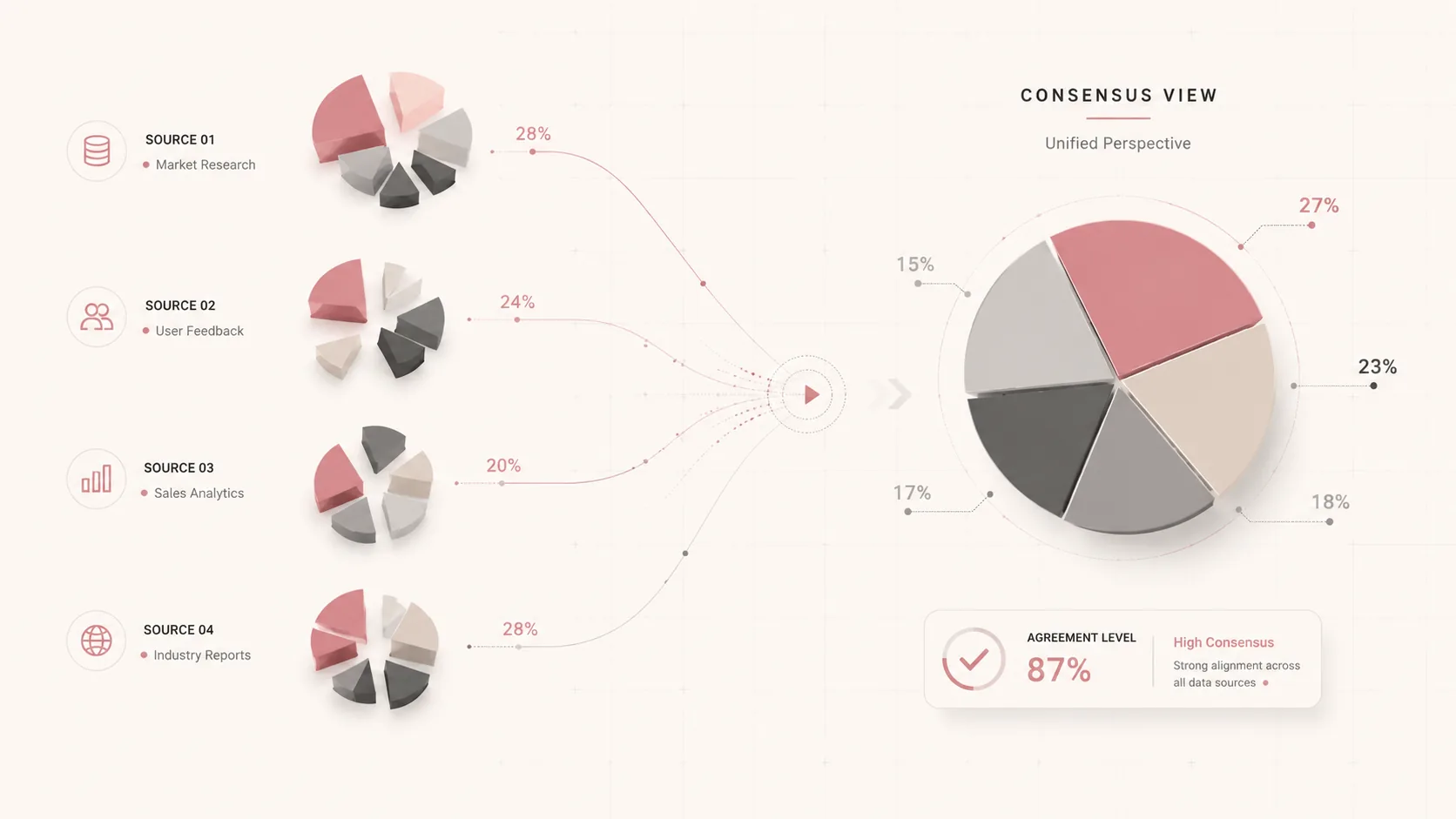
सहमति स्कोर को समझना: मल्टी-मॉडल सहमति का असली मतलब क्या है
90% का सहमति स्कोर यह नहीं दर्शाता कि दावा 90% सही है। यह लेख बताता है कि सहमति स्कोर वास्तव में क्या मापते हैं, उनकी सीमाएँ क्या हैं, और शोध के लिए उन्हें सही ढंग से कैसे समझा जाए।

एआई पारदर्शिता का मामला: क्यों ब्लैक बॉक्स पर्याप्त नहीं हैं
अधिकांश एआई उपकरण एकल मिश्रित आउटपुट प्रस्तुत करते हैं जिसमें कोई श्रेय नहीं होता। यह लेख एआई अनुसंधान में प्रति-मॉडल पारदर्शिता के लिए तर्क करता है और बताता है कि यह जानना कि कौन सा मॉडल क्या कहता है, क्यों महत्वपूर्ण है।
कई एआई मॉडलों के साथ तथ्य-जांच: एक व्यावहारिक मार्गदर्शिका
एकल-मॉडल तथ्य-जांच गलत जानकारी की पुष्टि आत्मविश्वास से कर सकती है। यह व्यावहारिक मार्गदर्शिका दिखाती है कि दावों की सत्यता की जांच के लिए कई एआई मॉडलों का उपयोग कैसे करें, चरण-दर-चरण उदाहरणों के साथ।

एआई युग में साक्ष्य-आधारित अनुसंधान: नई चुनौतियाँ, नए उपकरण
एआई उद्धरण बना सकता है, आंकड़े आविष्कार कर सकता है, और आत्मविश्वास के साथ झूठे दावे पेश कर सकता है। जब एआई सहायक और जोखिम दोनों है, तो साक्ष्य-आधारित अनुसंधान सिद्धांत कैसे लागू होते हैं? यह लेख नए परिदृश्य की खोज करता है।
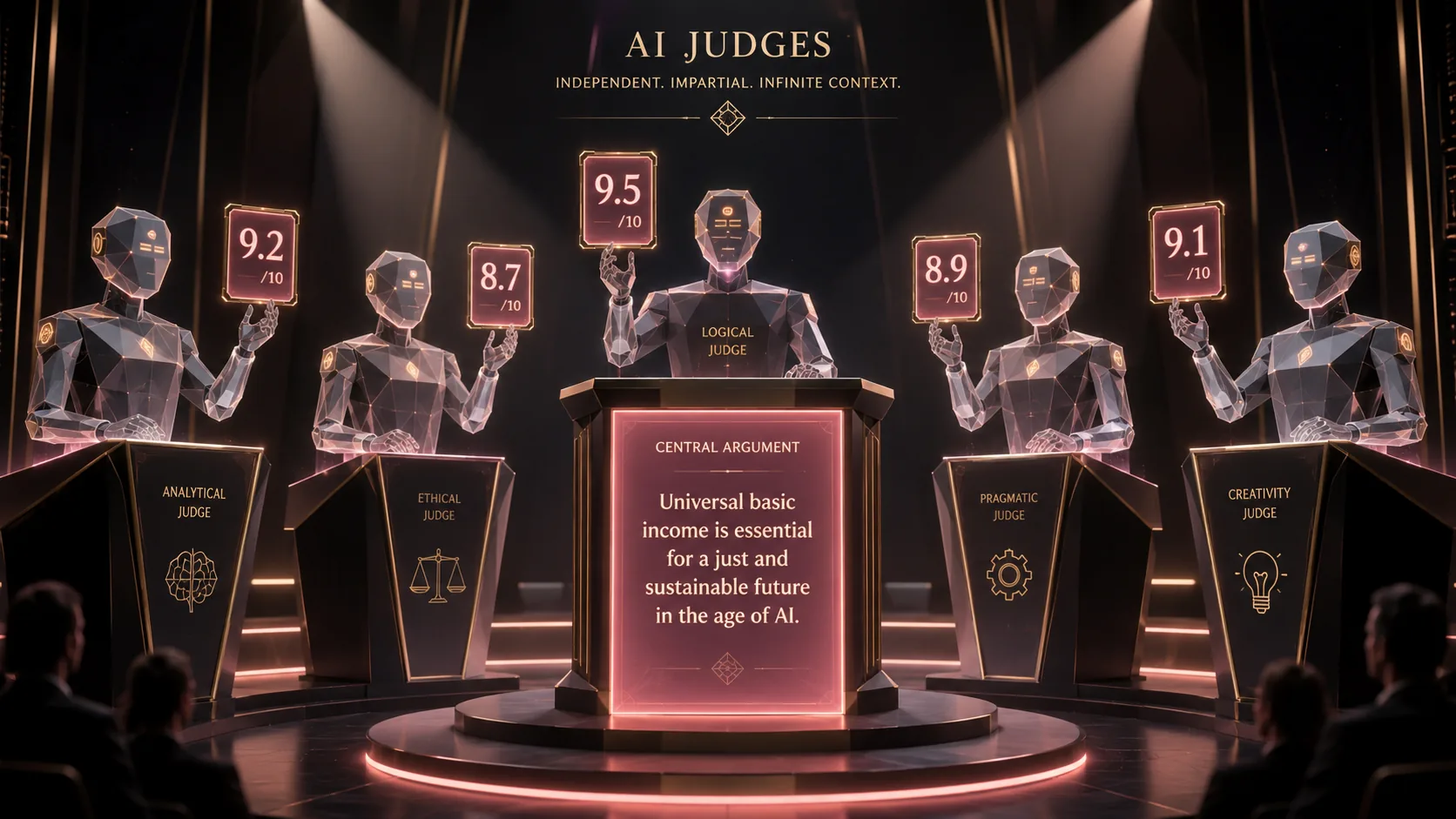
आर्गुमेंट रेटिंग सिस्टम कैसे काम करते हैं: क्रॉस-मॉडल मूल्यांकन की व्याख्या
जब कई एआई मॉडल एक-दूसरे के तर्कों को रेट करते हैं, तो दिलचस्प पैटर्न उभरते हैं। यह तकनीकी गहराई से विश्लेषण बताता है कि क्रॉस-मॉडल रेटिंग सिस्टम कैसे काम करते हैं और वे आत्म-रेटिंग द्वारा छूटे हुए त्रुटियों को क्यों पकड़ते हैं।
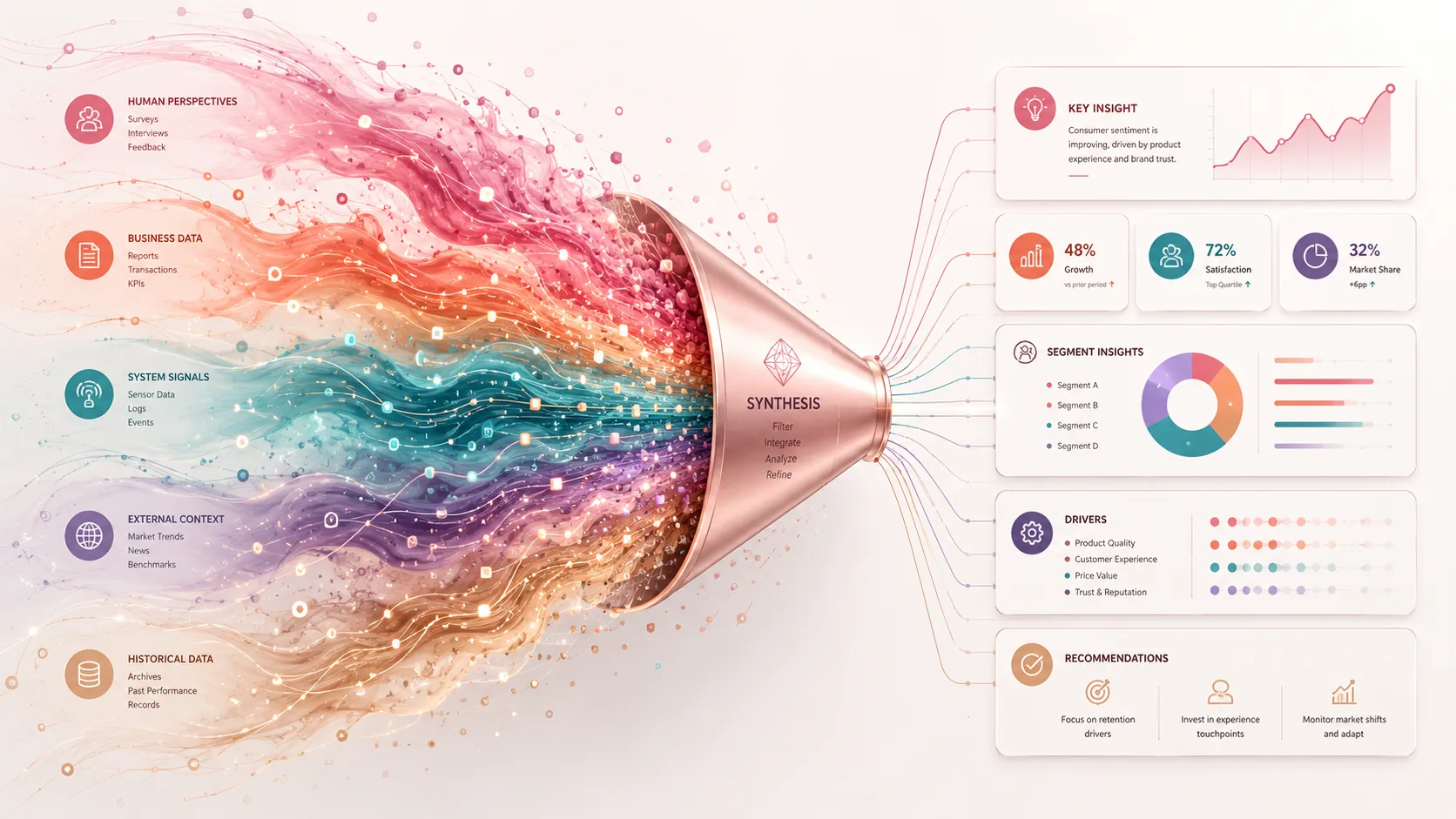
एआई के साथ अनुसंधान संश्लेषण: कई मॉडलों से संरचित अंतर्दृष्टियों तक
कई एआई मॉडलों के आउटपुट को मिलाना केवल संयोजन नहीं है—यह संश्लेषण है। यह गाइड यह बताता है कि कैसे बहु-मॉडल अनुसंधान को उचित श्रेय के साथ स्पष्ट, क्रियाशील अंतर्दृष्टियों में संरचित किया जाए।
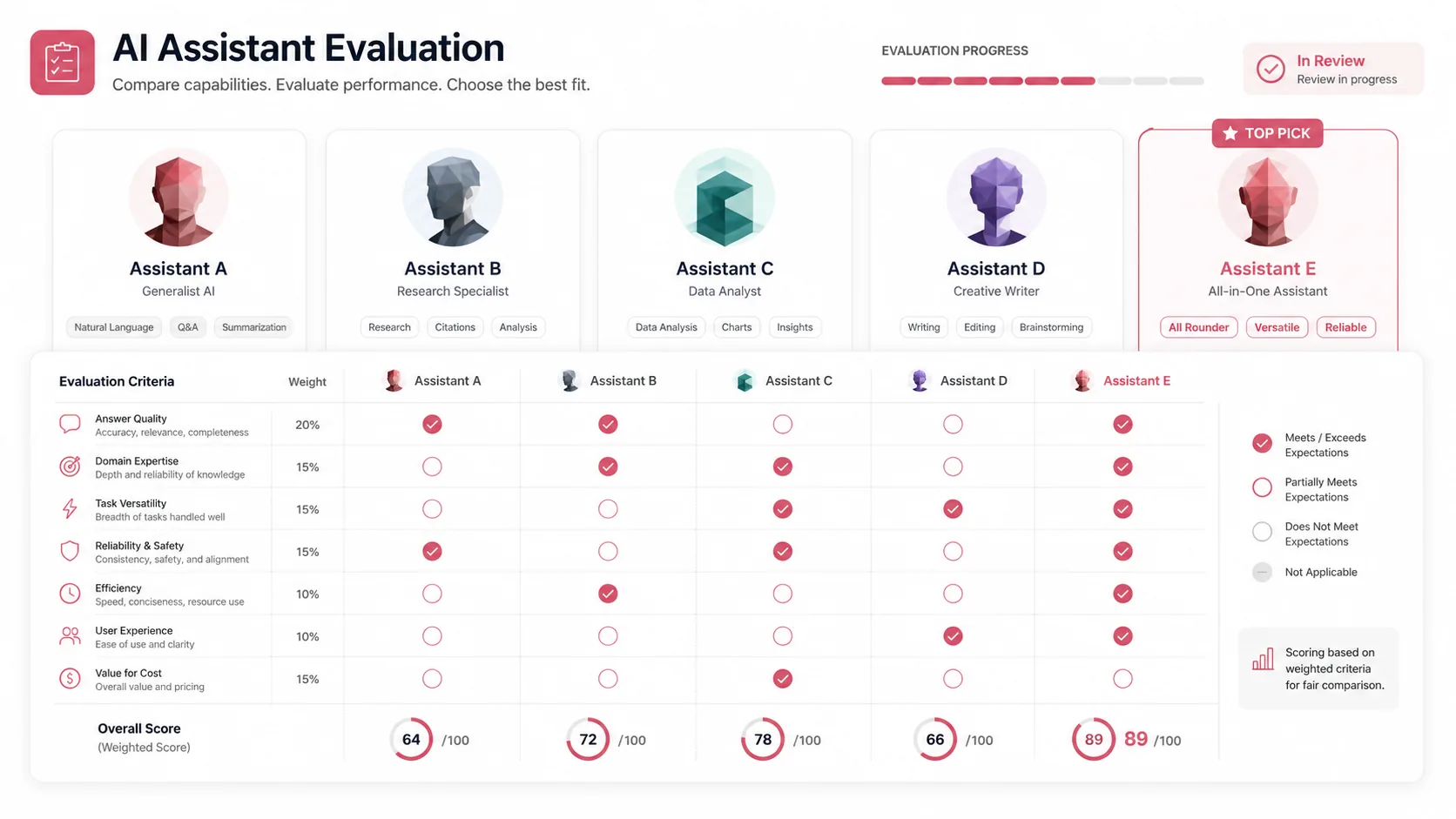
एआई रिसर्च असिस्टेंट्स की तुलना: 2026 में किस चीज़ की तलाश करें
एआई अनुसंधान सहायक बाजार में विस्फोट हुआ है, लेकिन अधिकांश उपकरण एकल-मॉडल हैं। यह तुलना गाइड उन विशेषताओं को कवर करता है जो विश्वसनीय अनुसंधान के लिए महत्वपूर्ण हैं और क्यों बहु-मॉडल मान्यता आपकी चेकलिस्ट में होनी चाहिए।
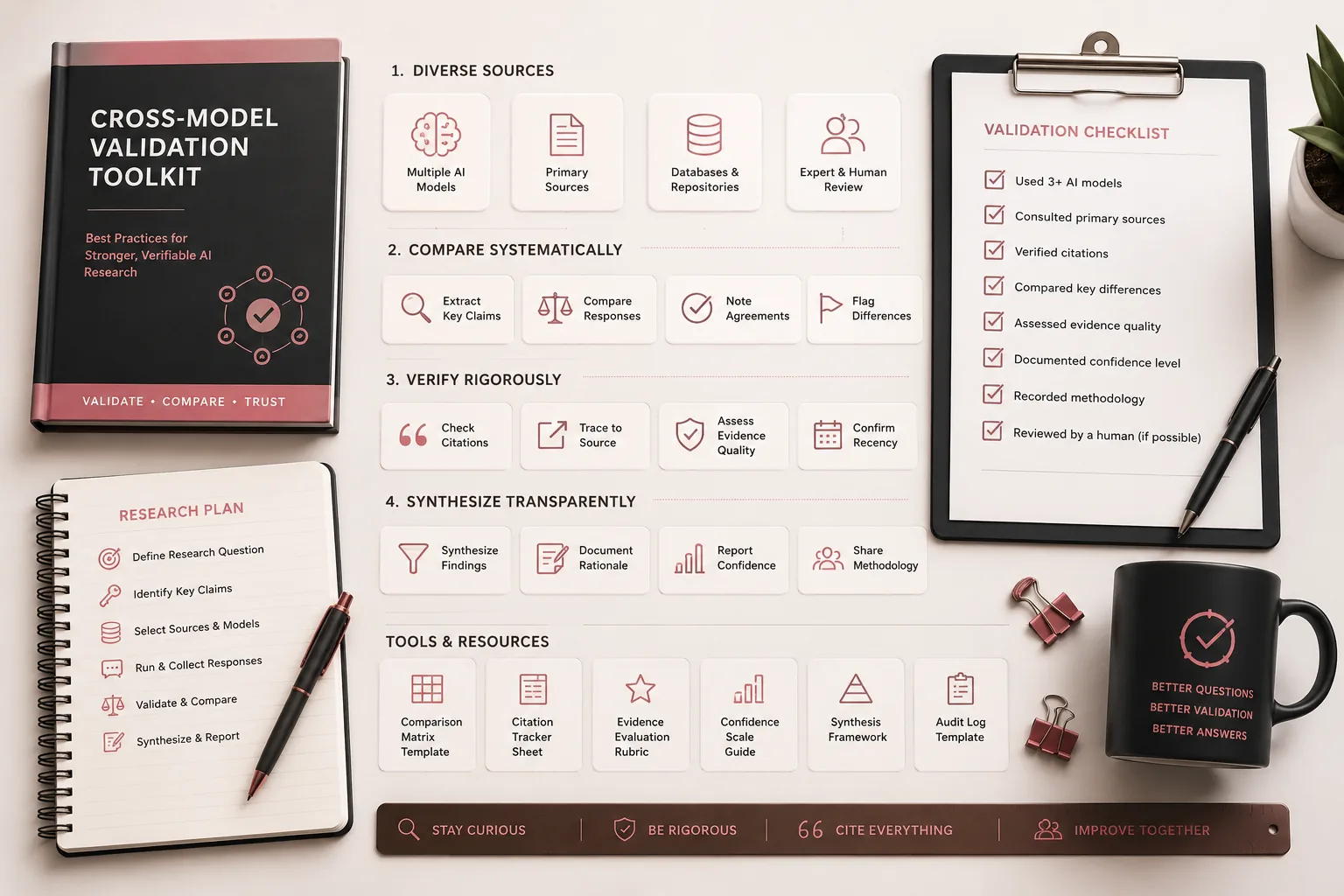
क्रॉस-मॉडल मान्यता सर्वोत्तम प्रथाएँ: मल्टी-एआई अनुसंधान से अधिकतम लाभ प्राप्त करना
क्रॉस-मॉडल मान्यता केवल आपकी कार्यान्वयन के रूप में अच्छी होती है। यह संचालन गाइड बताता है कि कितने मॉडल का उपयोग करना है, कौन से मॉडल को संयोजित करना है, असहमति की व्याख्या कैसे करनी है, और सामान्य pitfalls से कैसे बचना है।
मल्टी-एआई रिसर्च का प्रयास करें
कई एआई मॉडल्स से पूछें, देखें कि वे कहाँ सहमत हैं, और भ्रमों को पकड़ें इससे पहले कि वे आपको नुकसान पहुँचाएँ।
मुफ्त अनुसंधान शुरू करें